Every extension is different, but the same factors drive the cost. Here’s what affects your budget and how to avoid surprises.
It’s impossible to price an extension properly without seeing the house, but understanding what drives the cost helps you set a realistic budget from the start, and avoid designing something you can’t afford.
What affects the cost
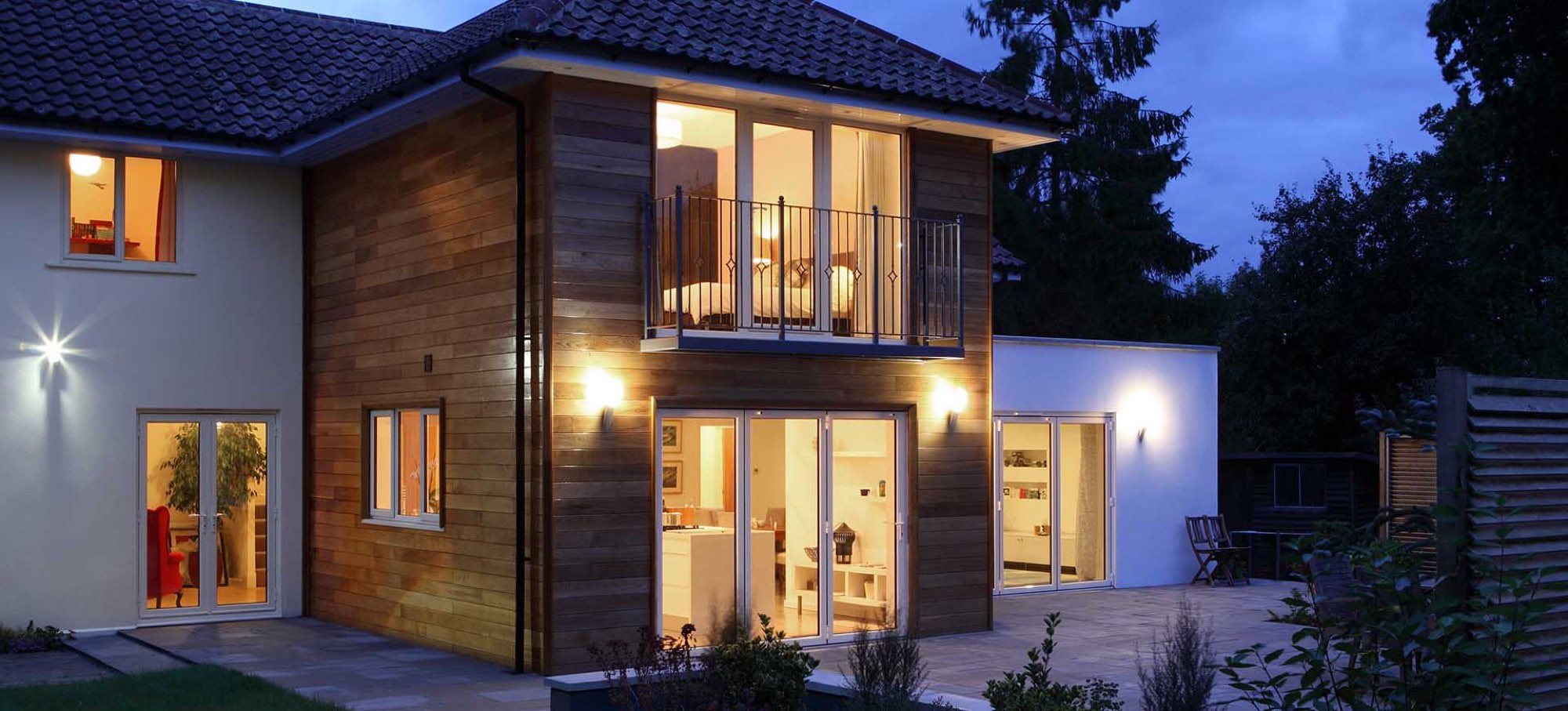
- Size and number of storeys: a two storey extension adds a lot of space for its footprint
- Ground conditions and foundations, including trees and drains nearby
- Structural work such as removing walls and installing steel beams
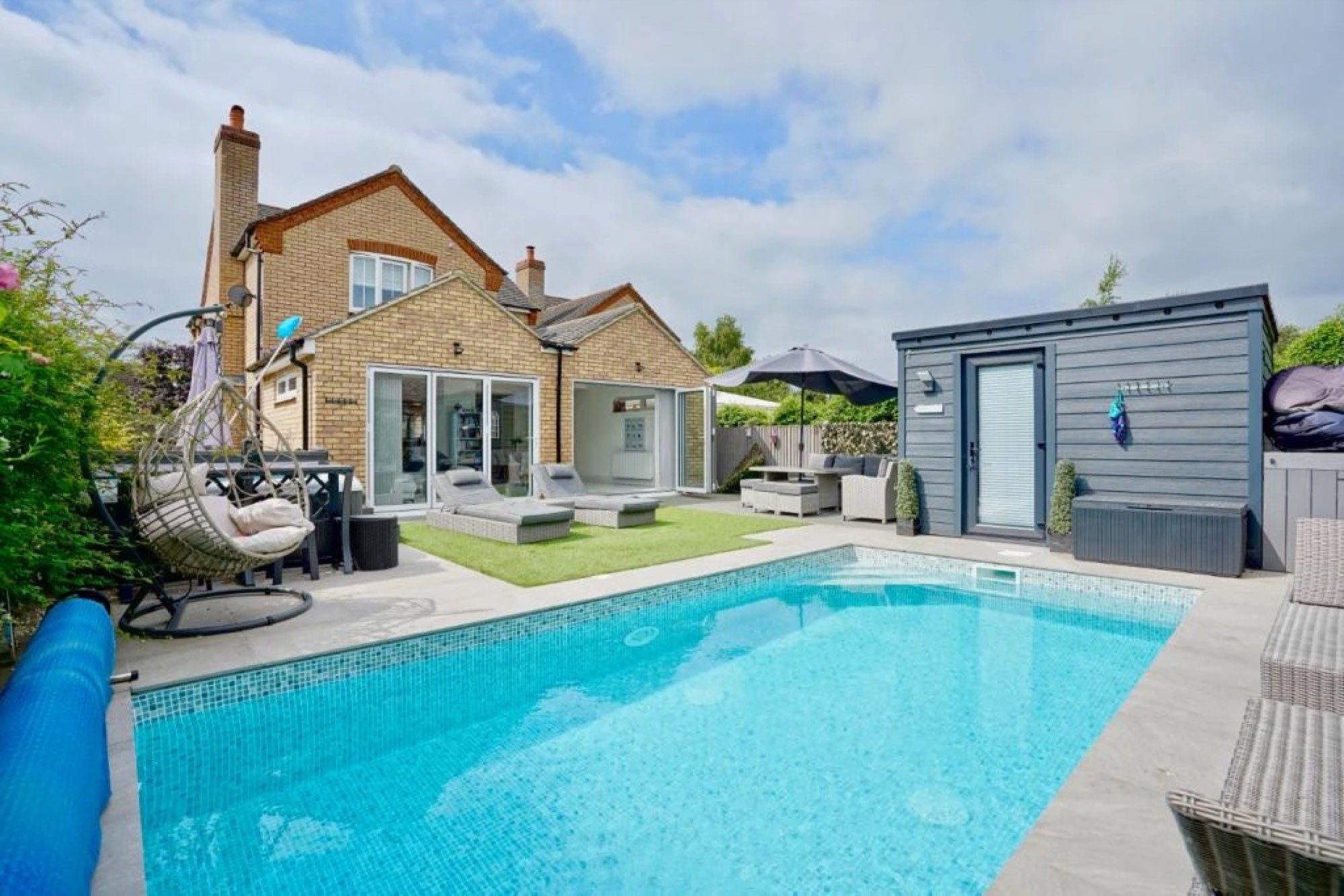
- Glazing: large sliding or bi-fold doors and roof lanterns
- Kitchens, bathrooms and the level of finish
- Access to the site and how materials can be delivered
Costs beyond the build
Remember to allow for design fees, planning and building control fees, structural engineer’s calculations, any Party Wall surveyor costs, and VAT. We set all of this out clearly so there are no hidden extras.
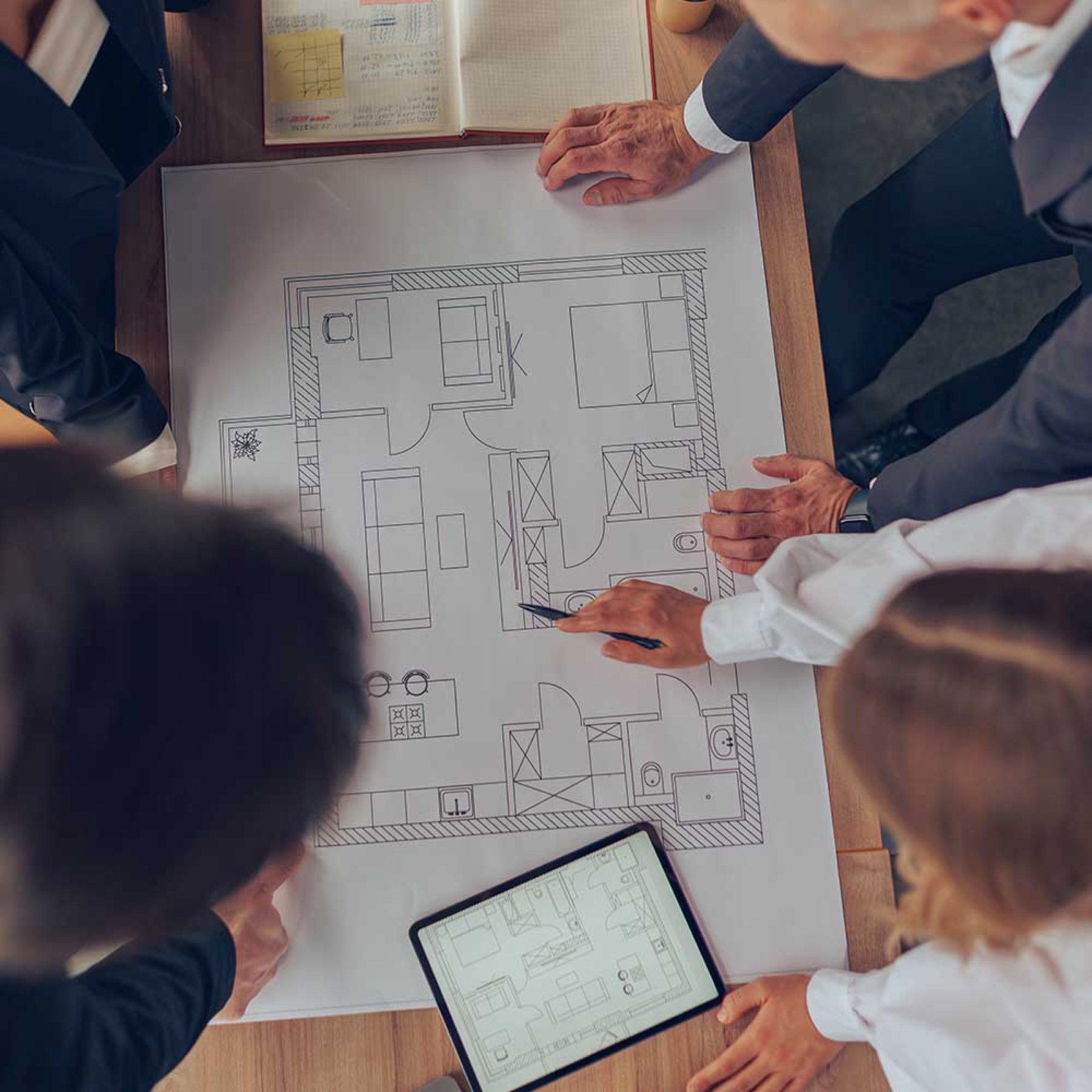
Get cost advice before design
The most common budget problem we see is a design that comes back over budget after the architect’s fees are spent. Involving a builder at the idea stage means every option is checked for cost as it’s drawn. That’s exactly why we offer feasibility and budget advice before you commit to detailed design.